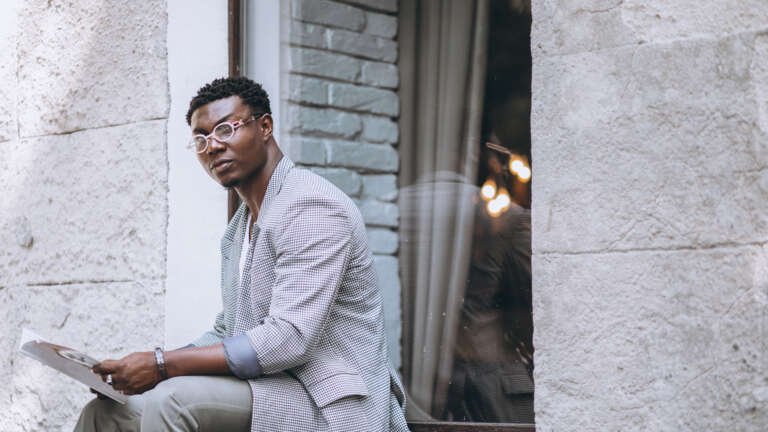

It’s a heavier question than it used to be. Not because men are weaker, but because the old answers no longer fit the world we’re living in. Manhood can no longer be explained by tradition alone. Nor can it survive on outdated ideas of dominance, silence, and endurance at all costs. Today’s African man stands …
What does it mean to be a man in modern Africa?
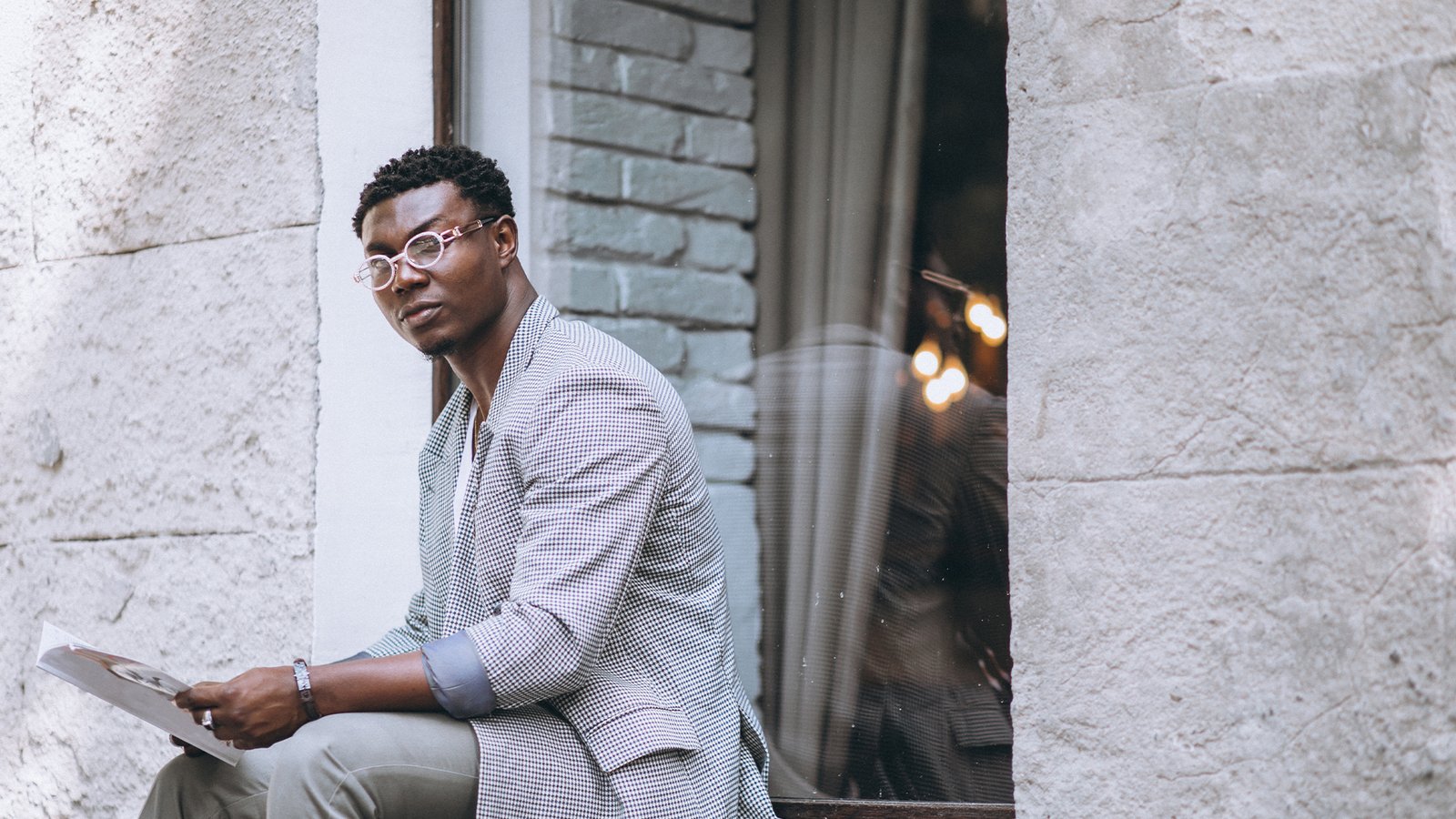
It’s a heavier question than it used to be. Not because men are weaker, but because the old answers no longer fit the world we’re living in.
Manhood can no longer be explained by tradition alone. Nor can it survive on outdated ideas of dominance, silence, and endurance at all costs. Today’s African man stands between history and change—raised one way, living another—expected to adapt without ever being given a clear map.
For generations, the script was simple. A man provided. A man protected. A man led. He worked, endured, and kept quiet. Strength was physical. Emotion was something you swallowed. If life was hard, you “manned up” and carried on. These ideas weren’t born out of cruelty—they came from survival. But survival is no longer the only challenge.
The world has changed. Jobs are fewer. Living costs are higher. Gender roles have shifted. Mental health is no longer a whisper but a reality knocking loudly. Yet many men are still judged by rules written for a different economy, a different family structure, a different time.
Take a man in Kampala, Lagos, or Nairobi. He is expected to succeed financially in systems stacked against him, to be emotionally available without ever being taught the language of feelings, and to remain strong while quietly breaking under pressure. He’s told “real men don’t cry,” then blamed for being emotionally distant. Somewhere between expectation and reality, many men feel lost—but rarely allowed to say so.
This conversation can no longer be avoided.
Modern masculinity is not one-size-fits-all. A man can be ambitious and gentle. Disciplined and expressive. Confident and still figuring things out. Strength does not disappear when empathy enters the room, and leadership doesn’t weaken when accountability shows up.
Men matter—not just as providers, but as human beings. When men are emotionally well, families are healthier. When men feel seen and supported, communities are stronger. When men are intentional about growth, societies move forward.
That growth doesn’t require abandoning culture. It requires evolving it. Tradition should be a foundation, not a cage. Positive masculinity isn’t about shaming men for where they come from, but guiding them toward where they can go.
And mental health doesn’t have to start with a therapist’s couch. It can begin with small, brave steps: talking honestly with a trusted friend, writing things down instead of bottling them up, joining a men’s group, a faith circle, or even online spaces where men are learning to speak without fear of ridicule.
Being a man today isn’t about having all the answers. It’s about asking better questions. About responsibility paired with reflection, power guided by purpose, and confidence balanced with compassion.
So, what is a man?
A man is not defined by how little he feels, but by how well he understands himself. He is not measured only by what he provides, but by how he shows up. He is not finished—he is becoming.